
Where do we start? A practical guide to getting started with digital engagement
If you've ever thought "we should be doing something digital" and then wondered where on earth to begin — this is for you.
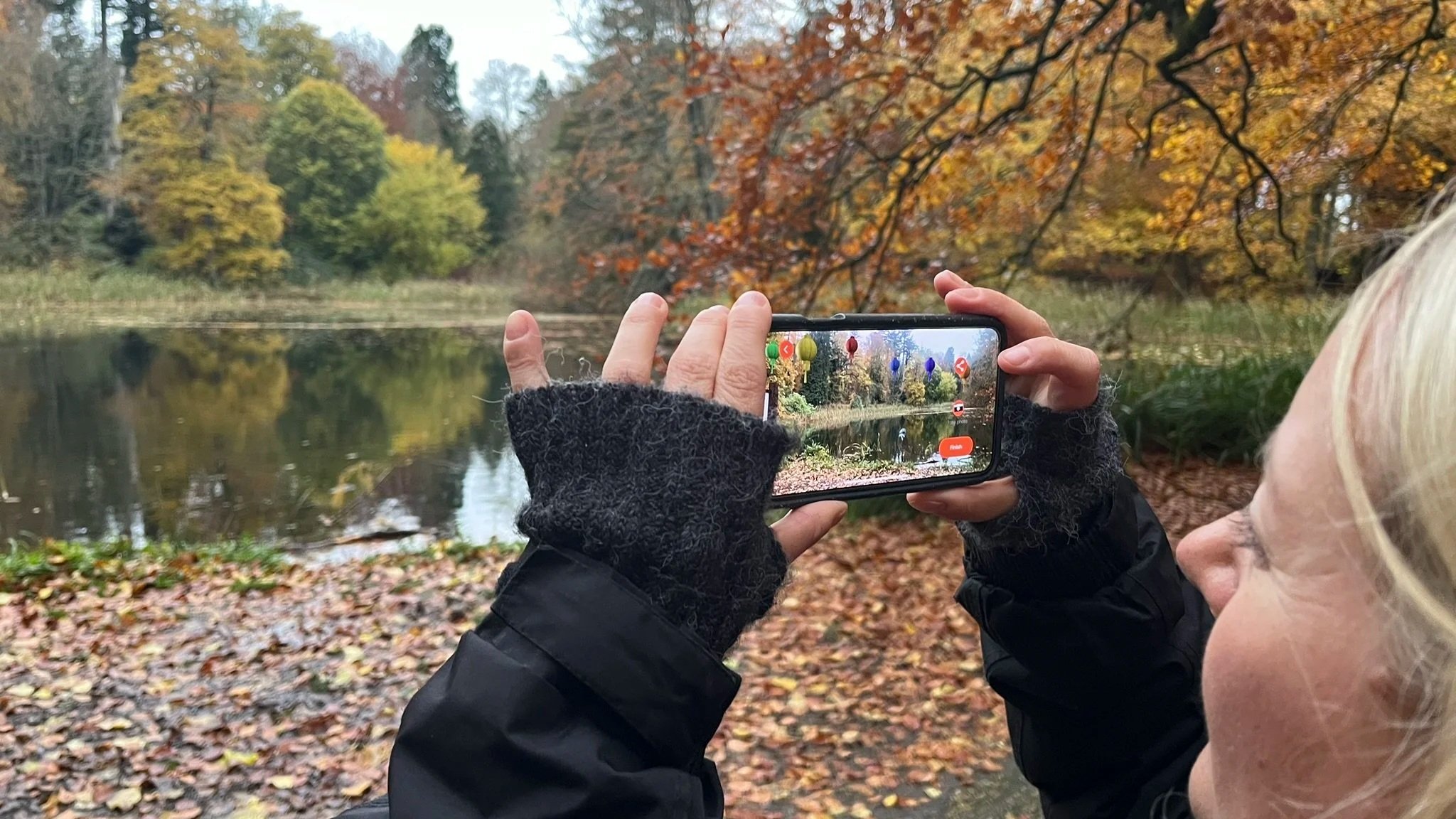
Dancing with AR Robin, Robin's Lantern Quest, National Trust Wallington, Northumberland.
The good news
Digital engagement doesn't have to be complicated, expensive or time-consuming to get started with. The organisations that do it best aren't necessarily the ones with the biggest budgets or the largest teams. They're the ones who started with what they already had — their place, their stories and their audiences — and found the right tool to bring those things to life.
Here's how to get started.
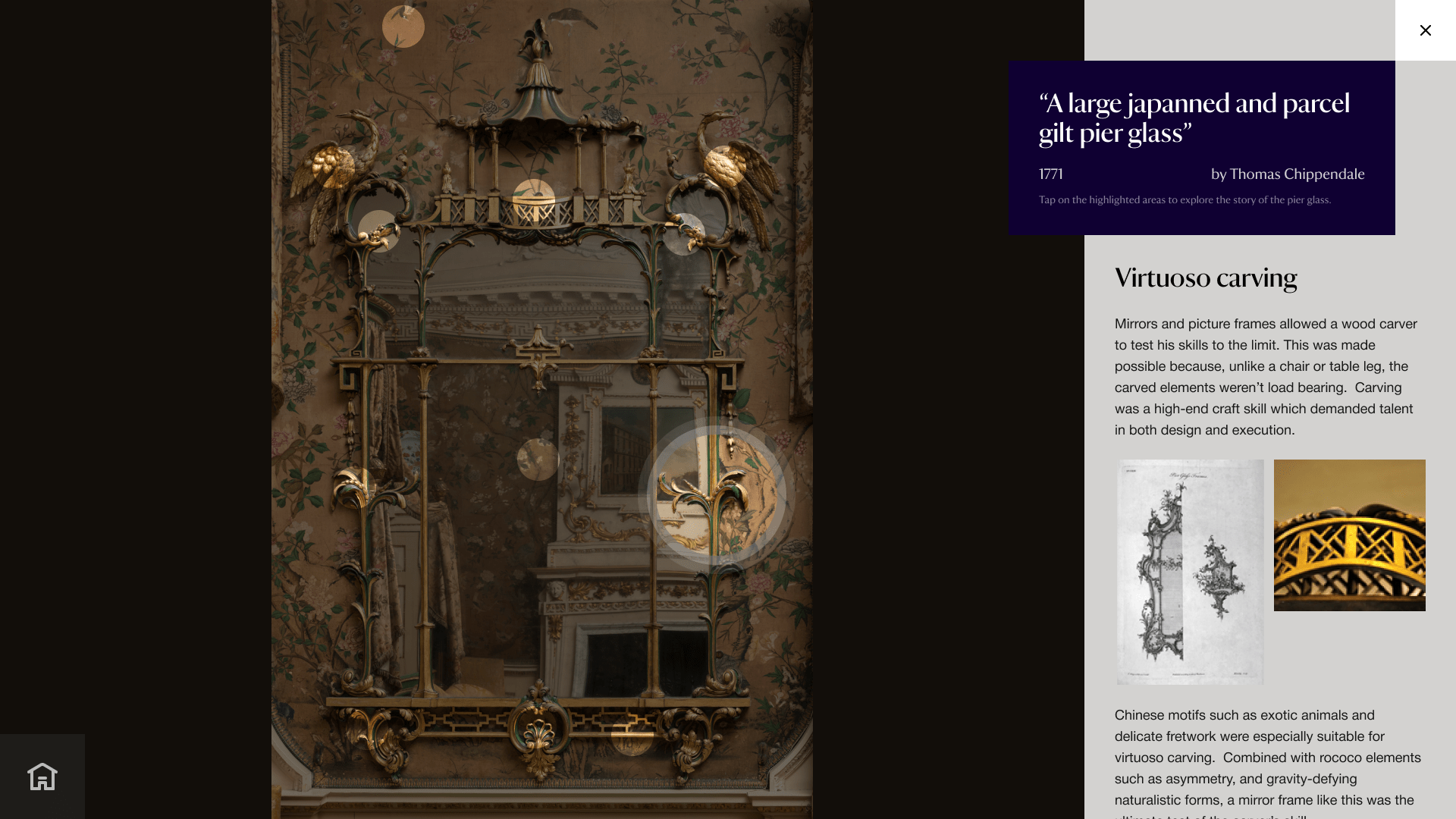
Interactive interpretation panel, National Trust Nostell Priory, near Wakefield, West Yorkshire.
Start with your stories, not the technology
The best digital experiences are rooted in something real. A family story connected to a place — like Robin's Lantern Quest, which was inspired by a true story of the Trevelyan children skating on China Pond at Wallington. That single story became the heart of a quest that brought hundreds of families to explore the East Wood and ended with an AR robin skating on the frozen pond. A landscape with a history that is no longer visible but is worth telling. A walking route, an artefact, a collection that visitors pass every day without the joy of engaging with the history, nature and stories that make it truly special.
Before you think about apps or augmented reality, ask yourself: what do we want people to feel, discover or understand that they don't right now? The answer to that question is the starting point for everything else.
Know your audience — offer opportunities to personalise the experience
Who are you trying to reach? Families with children? Adult visitors? Schools? People exploring your landscape on foot? The answer shapes everything — the type of experience, the tone of the content, how long it needs to be and what will make it feel rewarding.
Selection of screenshots from Alston Explorer, North Pennines Area of Outstanding Natural Beauty, Cumbria.
Digital engagement also gives you an opportunity to make your place more accessible and personalised — meeting the needs of different audience groups in a way that printed materials simply can't. For example, if you have walking trails of different lengths, physical demands or themes, you can present visitors with the best recommendations based on their needs and interests. The right trail for a family with young children is rarely the same as the right trail for an adult interested in local history or a visitor with limited mobility.
Choose the right tool for the job
Once you know your stories and your audience, the right type of digital experience usually becomes clear:
AR Trails & Quests work brilliantly for heritage sites, historic houses, museums and visitor attractions where you want to create a memorable, gamified experience that gives visitors — particularly families — a reason to explore your whole site.
Interactive Digital Walking Trails are ideal for historic towns and cities, National Parks, nature reserves, parks and gardens. They turn existing paper trails into rich, GPS-guided digital experiences — with location-specific stories, nature facts, accessibility information and conservation guidance — available offline so poor signal is never a barrier.
Interactive Interpretation Panels are a great first step for organisations that want to deepen visitor engagement without a full app — connecting people with your stories, collections and place in a way that's accessible and memorable.
Not sure which is right for you? That's exactly what a first conversation with us is for.
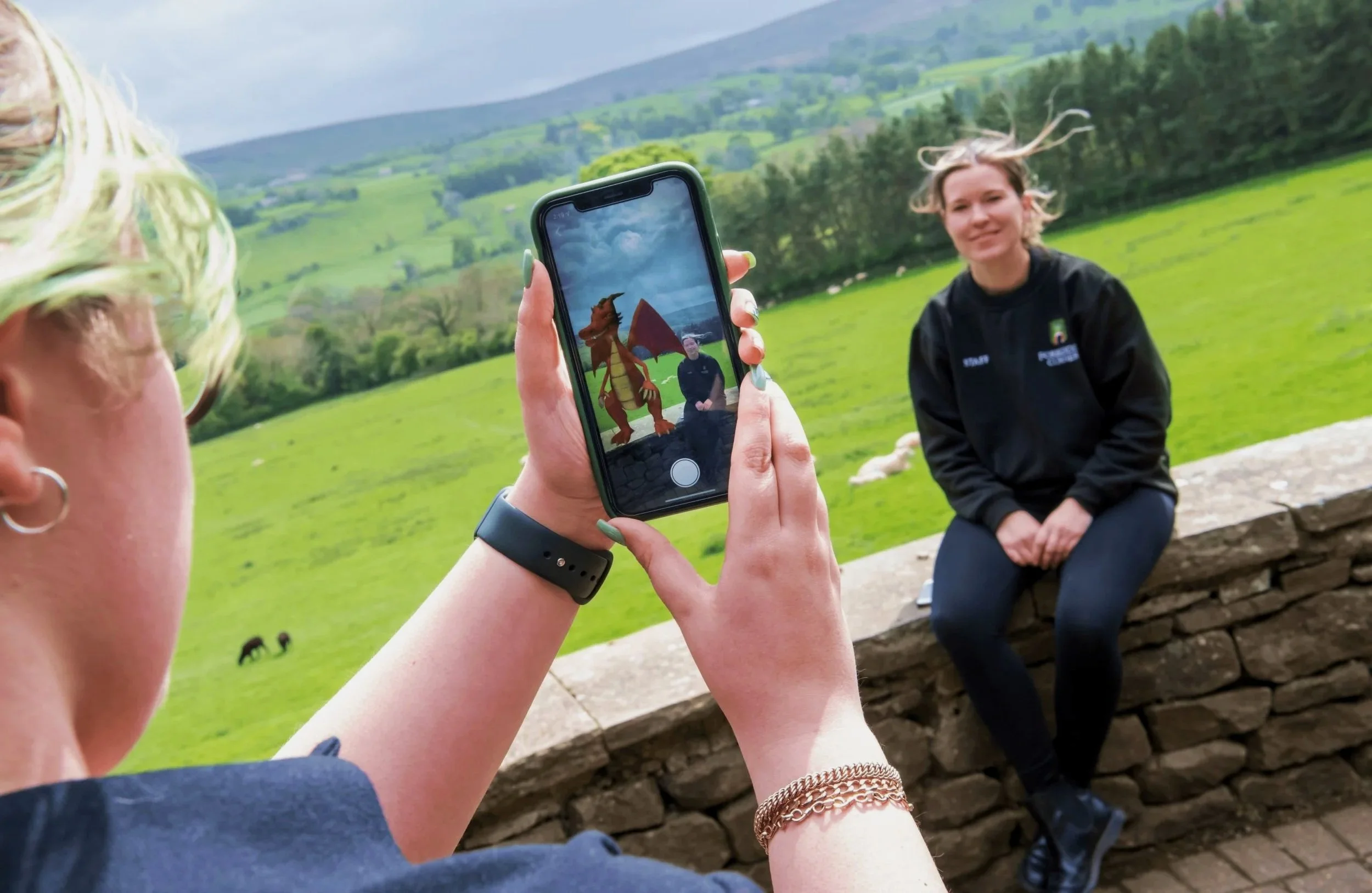
Taking a photo of an AR dragon, The Forbidden Corner Quest, The Forbidden Corner, North Yorkshire.
Think about budget and funding
Digital engagement doesn't have to mean a large one-off investment. A beautiful, professionally built digital experience starts from £2,900 — and flexible payment options are available for organisations that prefer to spread the cost.
Our products are built to be scalable, so you can start small and grow as your confidence and ambitions develop.
For organisations looking for external funding, Heritage Lottery Fund, Arts Council England, AONB partnerships and rural development programmes have all supported projects like these. We can help you identify the right sources and prepare a compelling application.
What about data security and Wi-Fi?
Two of the most common concerns we hear — and both are easily addressed. Our apps are built to the highest data security standards, with no personal data collected without explicit consent. And once downloaded, our digital experiences work entirely offline — so poor signal or no Wi-Fi is never a barrier to a great visitor experience.
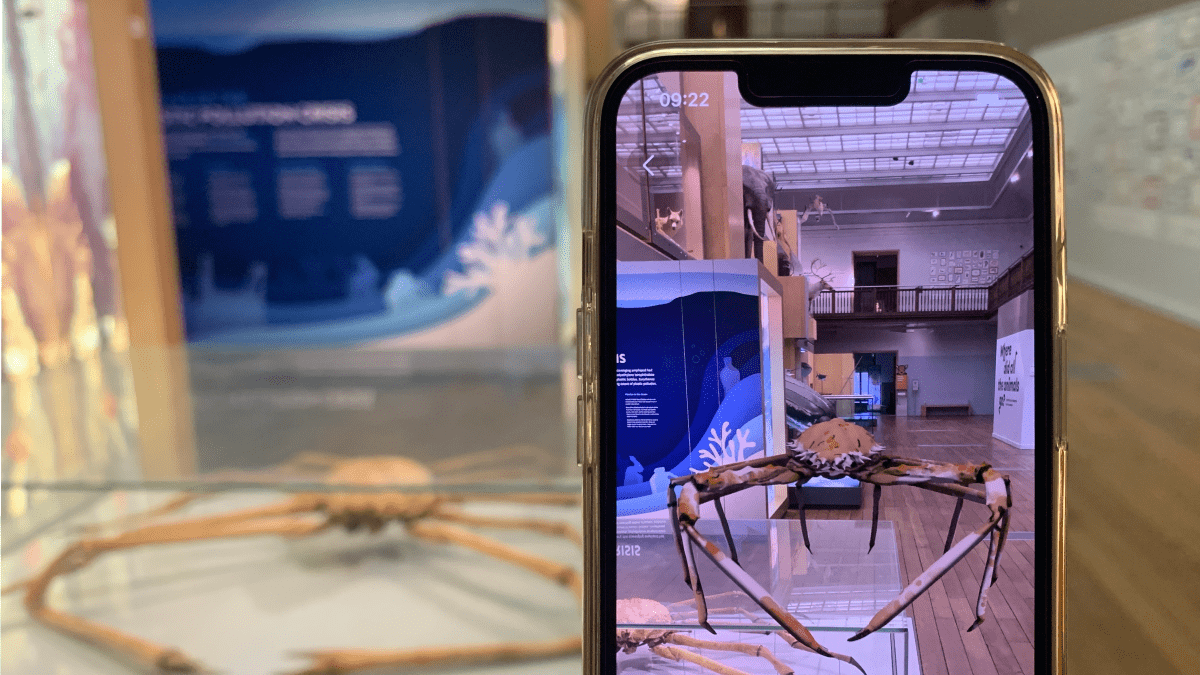
Screen shot from Mythquest, Great North Museum, Newcastle.
You don't need a fully formed brief
The most common thing we hear from organisations at the start of a conversation is "we're not sure exactly what we want yet." That's completely fine — in fact it's often the best place to start.
How long does it take — and what do we need from you?
We know you're busy. Taking on a new digital project can feel like just another thing on an already long list. So here's the honest answer — your time commitment is much smaller than you might expect.
A typical project takes around 6 to 8 weeks from first conversation to app store publication. It starts with a scoping workshop with your team — usually just a few hours — where we work together to define the experience, the design theme and the content. After that, we take care of everything else until testing and launch. We'll also produce marketing assets you can use to promote your experience online and on site.
You bring your engagement ambitions and your stories — we take care of everything else.
Ready to get started? All projects start with a conversation.